The short version
- A healthy engine with warm oil can generally handle occasional trips to the redline.
- Revving a cold engine or holding high rpm for a long time increases wear and risk.
- A rev limiter helps prevent overspeeding while accelerating, but cannot prevent damage from a mistimed downshift.
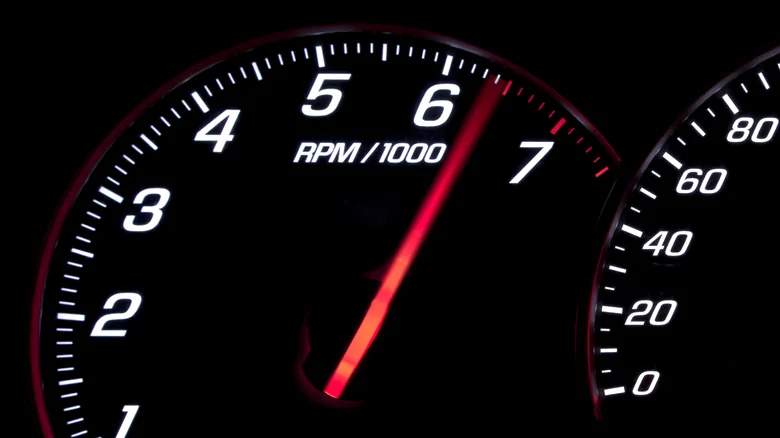
Occasional trips to the redline are unlikely to harm a healthy engine once its oil is warm. Sustained high-rpm driving adds heat and stress, while revving a cold engine can leave parts short of the protection they need.
A rev limiter can restrict engine speed during acceleration, but it cannot prevent overspeed damage from a downshift made too early. Excessive engine speed can cause valve float, piston contact or damage to connecting rods and crankshaft bearings.
Engine oil can take nearly twice as long to warm up as the coolant, according to a study cited by Carscoops. Ford also advises against staying near the redline for extended periods.
Hard driving is sometimes said to clear carbon deposits, but Engineering Explained's Jason Fenske concluded that ordinary road driving may not keep an engine hot enough for long enough to do so. Under sustained load, pistons and exhaust valves can reach 617 degrees Fahrenheit, a temperature cited for burning deposits; cooler intake valves may retain buildup.
Fenske also warned that hard use could increase carbon deposits in direct-injection engines.
Sources & editorial note
Compiled and edited by the Tach Wire editorial desk from open public sources listed below, checked against each source for accuracy. Photo: Carscoops.
0 comments
Comments stay in this browser. They are not sent to the newsroom.