The short version
- MotorTrend recommends the 2009, 2010, 2012, 2014, 2017, 2019 and 2020 F-150.
- It flags the 2011, 2013, 2015, 2016 and 2018 model years, with some caveats for 2016.
- Key concerns include early EcoBoost timing-chain problems, 10‑speed transmission issues and corrosion.
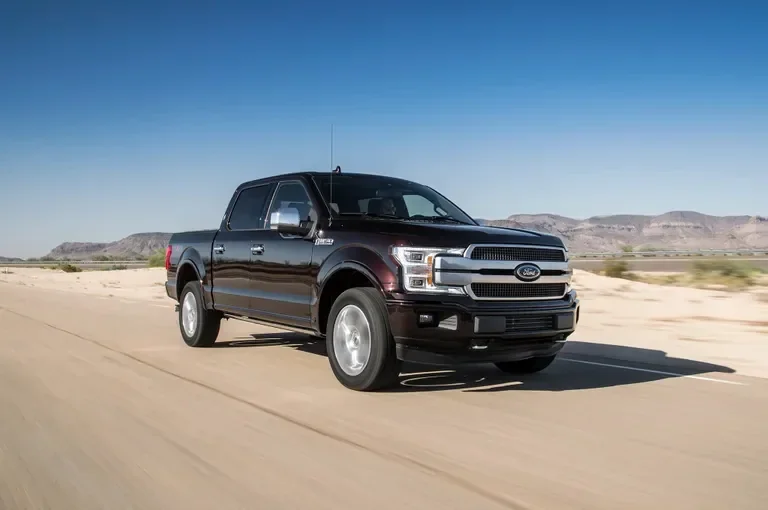
MotorTrend recommends seven used Ford F-150 model years: 2009, 2010, 2012, 2014, 2017, 2019 and 2020. Its avoid list includes the 2011, 2013, 2015, 2016 and 2018 trucks, although the publication says the improved 2016 model may still deserve a closer look.
For the 12th-generation F-150 (2009–2014), the 2011 arrival of the 3.5‑liter twin-turbo EcoBoost brought timing-chain stretching and other early problems. Complaint data showed large spikes for the 2011 and 2013 model years, with the debut-era MyFord Touch system also drawing criticism.
By 2012, the 5.0‑liter Coyote V-8 had taken over as the F-150’s primary V-8, but reports of excessive oil consumption began to surface. The 2013 model also had a serious six-speed automatic transmission defect involving potentially dangerous downshifts that led to a recall.
Premature rusting has also been reported with early models in that generation, so check for it. The older 5.4‑liter V-8 retained some cam-phasing and spark-plug concerns despite Ford addressing many of its earlier problems.
Ford switched the F-150 to an aluminum body for the 13th generation (2015–2020). MotorTrend linked the 2015 and 2016 trucks to increased complaints involving engines, transmissions, drivetrains and brakes, along with door-latch problems that led to a recall. Corrosion where aluminum panels meet steel components became the most common issue in the cited complaint data.
The 10‑speed automatic arrived for 2017, and transmission problems appeared most prominently around the 2018 model year. By 2019 and 2020, MotorTrend judged the twin-turbo engines, oil-burning reports and 10‑speed calibration to be better sorted.
Sources & editorial note
Compiled and edited by the Tach Wire editorial desk from open public sources listed below, checked against each source for accuracy. Photo: Photo: MotorTrend.
0 comments
Comments stay in this browser. They are not sent to the newsroom.