The short version
- Subaru says boxer engines reduce friction and vibration and allow a lower engine position.
- The wider layout limits packaging flexibility and can complicate spark-plug and head-gasket work.
- Oil consumption, leaks and oil starvation are among the potential problems when maintenance is neglected.
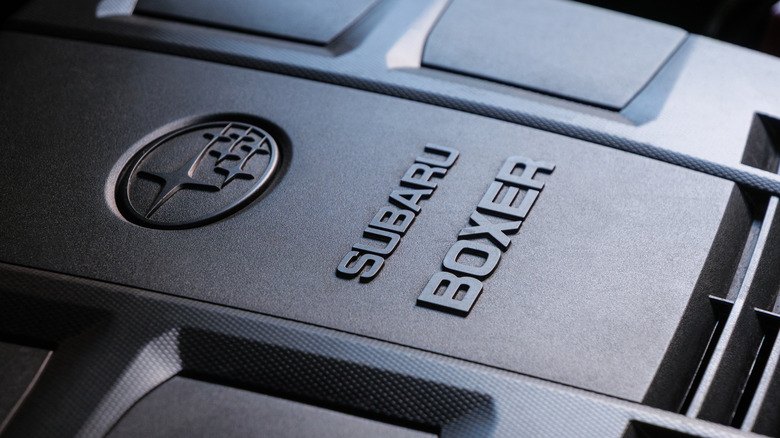
Subaru continues to use horizontally opposed boxer engines in its latest cars because the layout reduces friction and vibration and allows the engine to sit lower in the bay, according to Subaru. The lower position reduces the vehicle's center of gravity and works with Subaru's symmetrical all-wheel-drive system.
A boxer engine places its cylinders opposite each other horizontally, giving it a flatter shape than an inline engine. The tradeoff is a wider, more complex package with less room for surrounding components. Two cylinder heads also mean two head gaskets and related parts, while the low-mounted layout can make spark-plug replacement more labor-intensive.
The configuration can also leave oil in low points, including parts of the cylinder heads. Revving the engine before its oil has circulated can contribute to oil starvation, and the correct oil level must always be maintained. Oil consumption has been linked to low-tension piston rings used to improve fuel efficiency and to faulty crankcase ventilation systems.
Older Subaru flat-fours used composite head gaskets that could fail after repeated heat cycles. Newer engines use improved materials, while older engines can receive upgraded gaskets. A lawsuit filed in 2024 against the boxer-engine Subaru BRZ and Toyota GR86 cited oil starvation.
Boxer engines are not the only layouts Subaru has used. The automaker built inline three-cylinder engines for kei cars and vans, an EF-series 1.2‑liter engine for the 1980s Justy, and the EN-series straight-four for the R-2 and other kei cars through 2012.
How this story was made
Written by the Tach Wire desk from the reporting below, checked against each source and for overlap with their text. Photos: Carscoops.
0 comments
Comments stay in this browser. They are not sent to the newsroom.