The short version
- TELD has banned electric motorcycles and e-bikes from its AC and DC charging network in China.
- The operator runs more than 70,000 stations and 900,000 charging points across more than 360 cities.
- TELD says modified adapters can bypass battery-management safeguards when two-wheelers use high-voltage chargers.
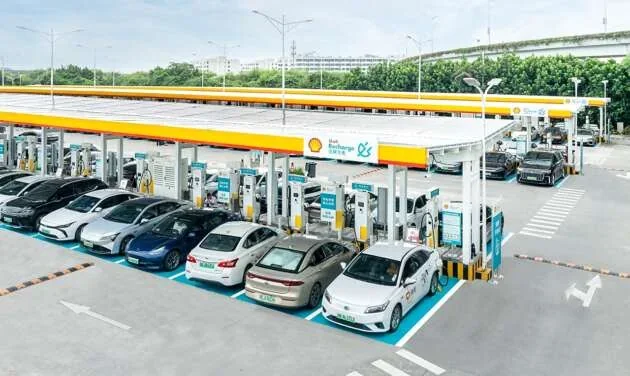
TELD New Energy has banned electric motorcycles and e-bikes from all of its charging stations in China, including AC and DC points. The operator says two-wheelers do not share the voltage, connector and charging-communication standards used by four-wheeled electric vehicles.
The Electric Vehicle Charging Infrastructure Promotion Alliance says TELD operates more than 70,000 stations and 900,000 charging points across more than 360 cities in China.
TELD is particularly concerned about modified adapters that connect electric motorcycles to high-voltage DC chargers. Some conversions reportedly use surplus data-center power supplies to reduce more than 400 volts from a charging station to about 72 volts for an electric motorcycle.
Those systems can bypass communication between the charger and the motorcycle’s battery-management system, preventing proper monitoring of battery voltage and temperature. The charger could continue supplying power if the battery overheats.
The blanket ban also covers two-wheelers that comply with China’s GB/T charging standards; it is not limited to vehicles using modified or unapproved adapters.
Sources & editorial note
Compiled and edited by the Tach Wire editorial desk from open public sources listed below, checked against each source for accuracy. Photo: Paul Tan.
0 comments
Comments stay in this browser. They are not sent to the newsroom.