The short version
- Ford is sending its first Michigan-made LFP cells to Louisville for Fathom prototype development.
- The Fathom is planned to enter production in 2027.
- Ford previously announced a $28,350 starting price, or $29,945 with destination.
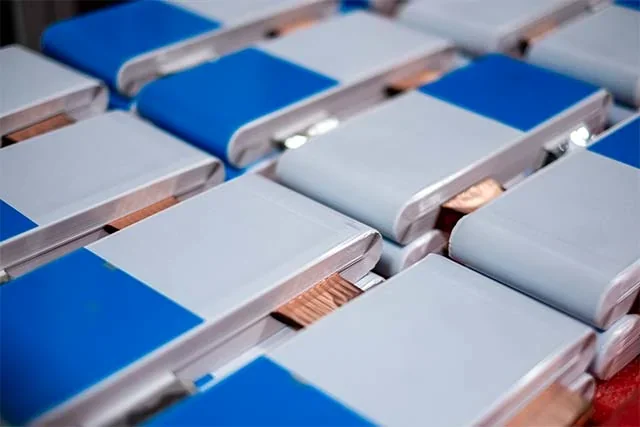
Ford has started shipping lithium iron phosphate battery cells from its BlueOval Battery Park Michigan plant to Louisville Assembly Plant for prototypes of the Fathom electric pickup. The truck is planned to enter production in 2027 and has a previously announced starting price of $28,350, or $29,945 including the $1,595 destination charge.
The first cells are for development and testing, not customer trucks. Ford plans to begin assembling battery packs at the Marshall, Michigan, facility in 2027.
Ford says the plant is designed to produce about 20 gigawatt-hours of batteries annually, with production lines capable of assembling roughly 40 cells per minute.
Ford owns and operates the plant, using manufacturing technology licensed from CATL. CATL engineers helped prepare the facility, train workers and establish production and quality-control processes.
Sources & editorial note
Compiled and edited by the Tach Wire editorial desk from open public sources listed below, checked against each source for accuracy. Photo: Photo: Electric Cars Report.
- 01Electric Cars ReportFord Starts Shipping LFP Batteries for Fathom Electric Pickup Ahead of 2027 Launch
0 comments
Comments stay in this browser. They are not sent to the newsroom.